
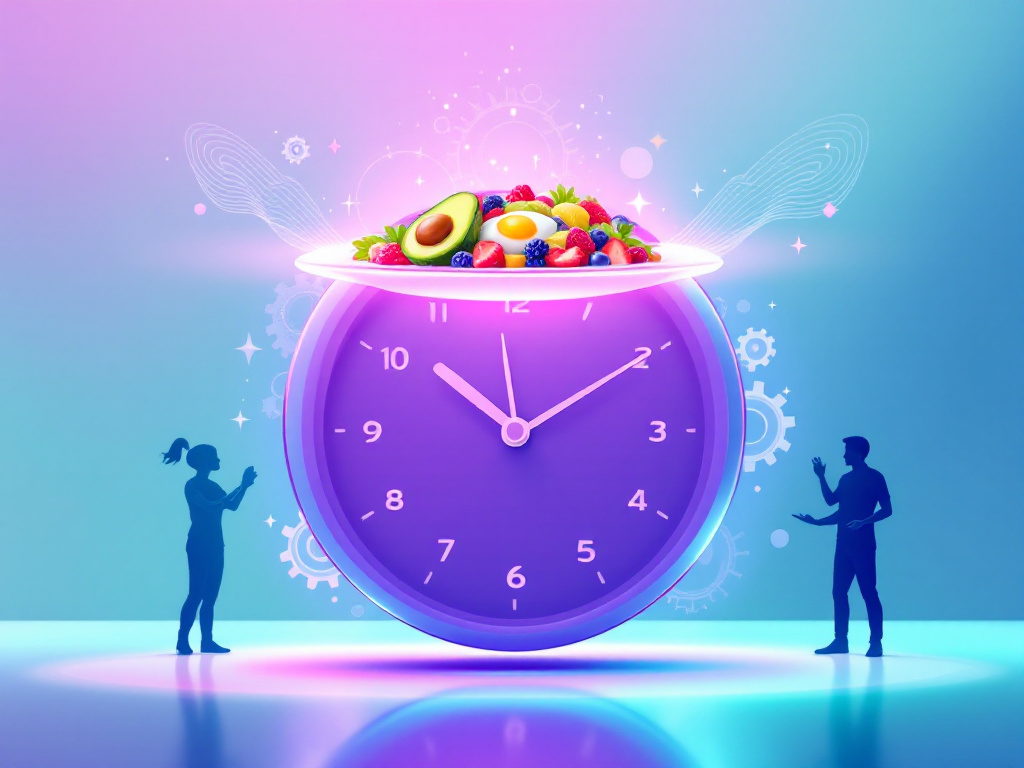
The Science of Meal Timing: Does When You Eat Matter?
Key Points at a Glance
- Chrononutrition aligns meal timing with circadian rhythms for better health.
- Time-restricted eating boosts metabolism and reduces disease risk.
- Eating a hearty breakfast kickstarts metabolism and stabilizes blood sugar.
- Late-night eating can impair glucose regulation and sleep.
- Timing meals around exercise enhances performance and recovery.
In our fast-paced world, what we eat often overshadows when we eat. Yet, emerging research on meal timing—how the timing of our meals aligns with our body’s biological rhythms—reveals that when you eat can be just as critical for health, metabolism, and overall well-being. From syncing meals with your circadian clock to optimizing exercise performance, the science of chrononutrition is reshaping how we approach food. This article dives into the evidence and explores why the clock on your kitchen wall might be as important as the food on your plate.
The Circadian Connection
Our bodies operate on a 24-hour internal clock known as the circadian rhythm, which governs everything from sleep to digestion. This biological clock influences how efficiently we process nutrients, burn fat, and regulate blood sugar. Eating in sync with this rhythm—typically earlier in the day—can supercharge your metabolism, while eating at odds with it (like late-night snacking) can throw things off balance.
Key Insight: A 2017 study in The American Journal of Clinical Nutrition found that delaying meal times reduced fat oxidation and worsened glucose tolerance, increasing risks of obesity and diabetes.
- Early Eating: Align meals with daylight hours to optimize nutrient processing.
- Night Fasting: Avoid eating late to support circadian alignment.
- Health Benefits: Reduced risk of chronic diseases like diabetes and obesity.
Intermittent Fasting and Time-Restricted Eating
One of the hottest topics in nutrition science is intermittent fasting (IF) and time-restricted eating (TRE). These approaches limit the hours during which you eat, typically to a 6- to 10-hour window. A 2020 study in Cell Metabolism showed that TRE (eating between 8 AM and 2 PM) improved insulin sensitivity, blood sugar control, and fat loss, even with identical calorie intake.
| Approach | Benefits |
|---|---|
| Time-Restricted Eating | Improved insulin sensitivity, reduced inflammation, fat loss |
| Intermittent Fasting | Weight management, better gut health, potential longevity benefits |
Practical Tip: Start with a 10-hour eating window (e.g., 8 AM to 6 PM). Gradually shorten to 8 hours if sustainable. Consult a healthcare provider before drastic changes.
Interactive Tool: Fasting Window Calculator
Calculate your ideal fasting and eating window to align with chrononutrition principles. Enter your preferred start time and desired eating window duration:
Breakfast: The Metabolic Kickstart?
The adage “breakfast is the most important meal” has merit. A 2019 study in The Journal of Clinical Endocrinology & Metabolism found that a high-calorie breakfast increased diet-induced thermogenesis (energy burned to process food) by over double compared to a high-calorie dinner. Morning meals align with peak insulin sensitivity, stabilizing blood sugar and reducing cravings.
Suggested Breakfast Ideas
- Veggie-packed omelet with whole-grain toast
- Smoothie bowl with berries, chia seeds, and protein powder
- Greek yogurt with granola and fruit
The Perils of Late-Night Eating
Late-night snacks can sabotage health. A 2021 study in Diabetes Care linked eating after 8 PM to higher blood sugar spikes and impaired fat metabolism, especially in those predisposed to diabetes. Late meals also disrupt melatonin, affecting sleep and glucose regulation.
Pro Tip: Finish your last meal 2-3 hours before bedtime. If hungry, choose light options like a handful of nuts or a piece of fruit.
Exercise and Meal Timing
Timing meals around exercise can boost performance and recovery. A 2018 review in Sports Medicine noted that pre-workout carbs improve endurance, while post-workout protein maximizes muscle repair.
| Timing | Recommendation |
|---|---|
| Pre-Workout | Carb-rich snack 1-3 hours before (e.g., banana with almond butter) |
| Post-Workout | Protein-carb meal within 2 hours (e.g., chicken with quinoa) |
Infographics: Visualizing Chrononutrition Benefits
Below is a dynamic chart showing the benefits of time-restricted eating.
what people on social media are saying
“Circadian Rhythm & Hormones 🌅 Wake with sunlight, sleep by 10 pm. 🕒 Hormones follow your daily rhythm. 📱 Late nights = leptin & cortisol imbalanced. 🌿 Eat meals in daylight for best results. 🧠 Sync body clock = heal faster.
— DrLShrikant, Apr 19, 2025
Why circadian health gets more important as you age pic.twitter.com/qijlzINERD
— Abud Bakri MD (@AbudBakri) March 24, 2025
Individual Differences
Not everyone responds to meal timing the same way. Factors like chronotype (morning lark vs. night owl), genetics, and lifestyle play a role. Night owls may tolerate later meals, but early eating still benefits most. Shift workers should aim for consistent timing, even if shifted.
- Chronotype: Morning people thrive with earlier meals.
- Genetics: Some metabolize nutrients better at specific times.
- Lifestyle: Shift workers need tailored schedules.
Practical Tips for Optimizing Meal Timing
7 Actionable Tips
- Eat most calories earlier, finishing dinner by 7-8 PM.
- Try a 10-12 hour eating window, shortening as comfortable.
- Prioritize a balanced breakfast to kickstart metabolism.
- Avoid late-night snacking; aim for a 12-14 hour overnight fast.
- Sync carbs before and protein after workouts.
- Listen to your body and adjust based on energy and digestion.
- Consult a dietitian for personalized advice.
Frequently Asked Questions
What is chrononutrition?
Chrononutrition studies how meal timing aligns with circadian rhythms to optimize metabolism, digestion, and health.
Can I eat late if I’m a night owl?
Night owls may tolerate later meals, but eating earlier still maximizes metabolic benefits for most people.
How does meal timing affect exercise?
Pre-workout carbs boost endurance, while post-workout protein aids muscle repair, enhancing performance and recovery.
The Future of Chrononutrition
Chrononutrition is evolving, with research exploring its impact on gut microbiota, mental health, and cancer treatment efficacy. Aligning meals with circadian rhythms may even enhance therapy outcomes, per preliminary studies.
Quote: “Chrononutrition is not just about eating right—it’s about eating at the right time.” — Dr. Satchin Panda, Circadian Researcher
Conclusion
Does when you eat matter? Absolutely. Eating earlier, syncing with your body’s circadian clock, and aligning meals with activity can optimize metabolism, reduce disease risk, and boost vitality. Small changes—like shifting dinner earlier or trying a shorter eating window—can yield big results. Explore resources like Dr. Satchin Panda’s work for deeper insights.
3 Actionable Takeaways
- Sync with Your Clock: Eat during daylight hours to align with circadian rhythms.
- Try TRE: Experiment with a 10-hour eating window for metabolic benefits.
- Time Exercise Meals: Use carbs pre-workout and protein post-workout for optimal performance.
Disclaimer: Consult a healthcare professional before significant dietary changes, especially if you have medical conditions or are pregnant.